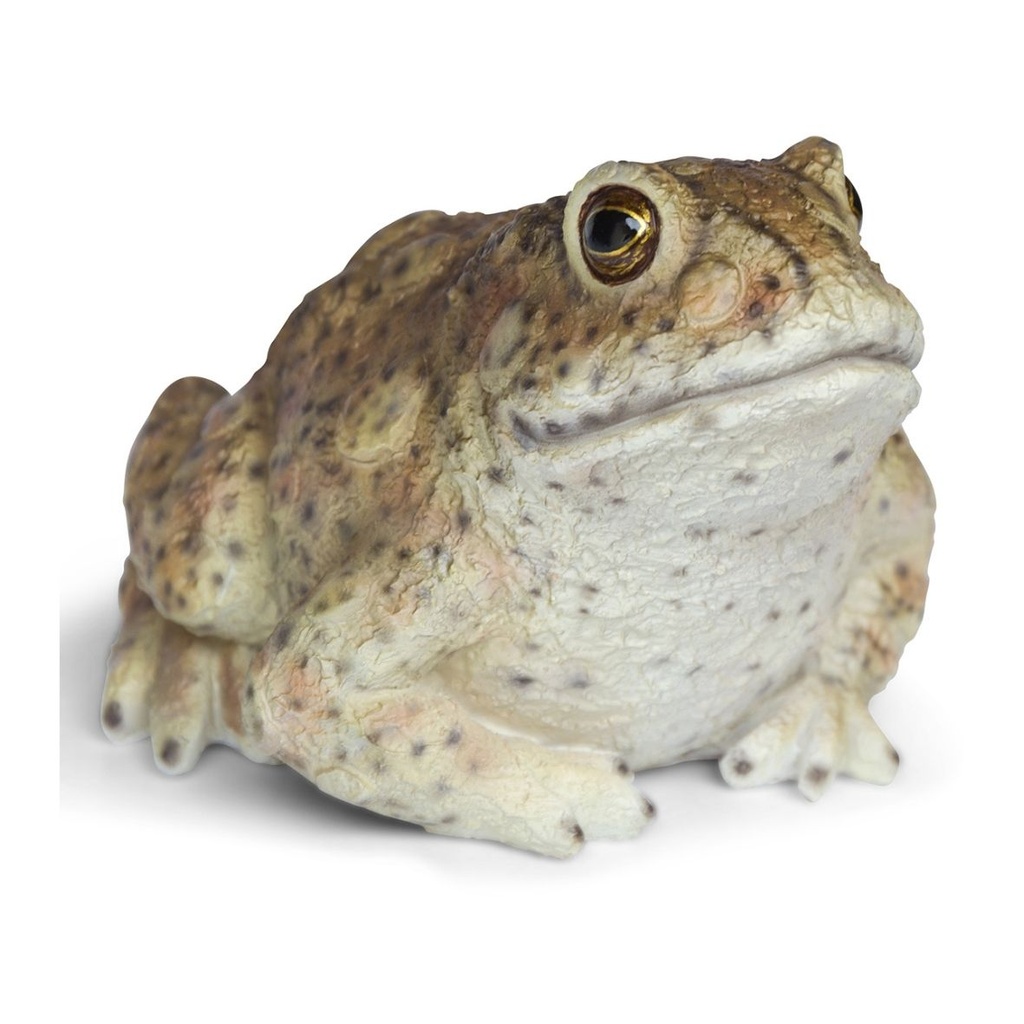
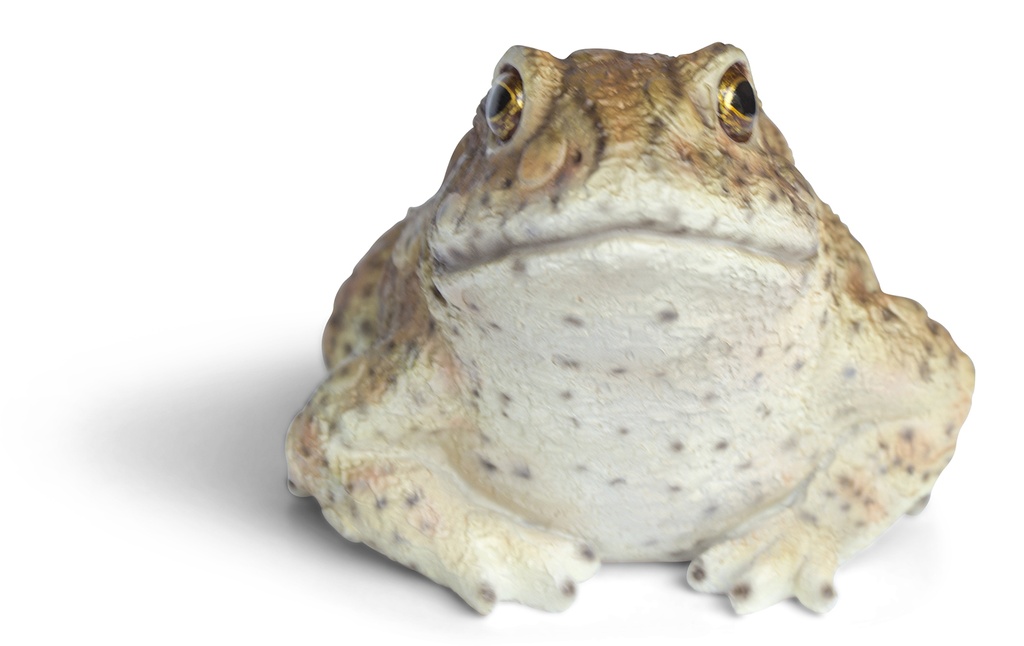
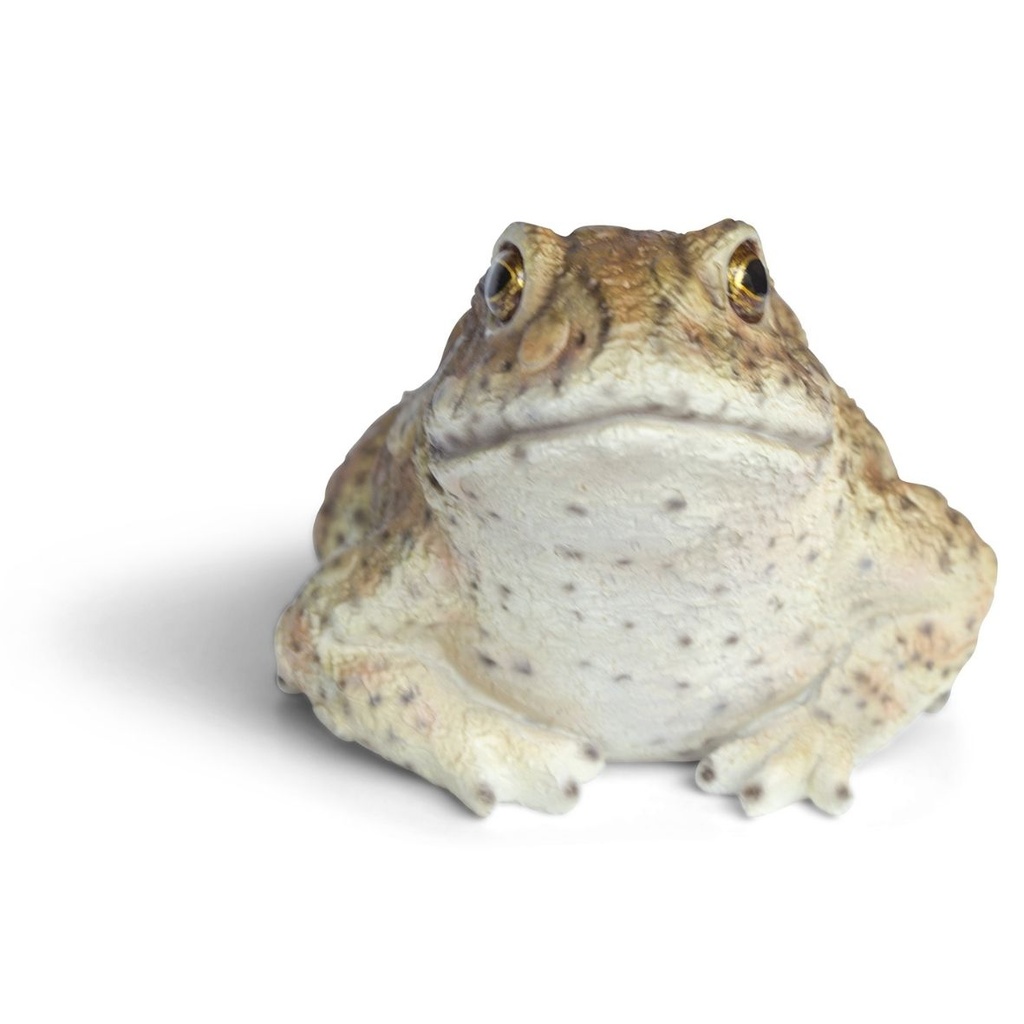
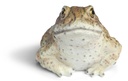
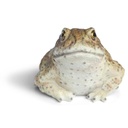
Q: What is the difference between this toad and the green/brown frog from the catalog?
The species, the color, and the use. The frog (15x12xH8 cm, 290 g) is available in two colors (green or brown) and has a triple use including indoors. Its shape is more elongated, its legs longer, and its tones more varied depending on the chosen color. The toad (13x11xH10 cm, 350 g) is monochrome (natural brown-gray), slightly more massive and taller, and is dedicated to the outdoors (balcony & terrace, garden). Its granular skin texture and stockier posture distinguish it immediately. The two complement each other very well in the same humid garden.
Q: Can this sculpture stay outside all year round?
Yes — balcony & terrace and outdoor garden. The polyresin is tested down to -20 °C and treated with UV protection for the brown-gray tones. Its weight (350 g) and its low and wide shape ensure good stability on the ground, even in vegetation or among pebbles.
Q: Is the toad visible from afar or does it hide in the vegetation?
This is precisely one of its qualities: its brown-gray tones make it discreet in the vegetation and soil — it reveals itself gradually rather than imposing itself. It is a presence that rewards attention and creates a charming surprise during garden visits. If you prefer a more visible piece, the green frog from the catalog is more prominent in a plant environment.
Q: Can this toad be paired with the frog from the catalog for an amphibian composition?
Yes — it is even the most naturalistic composition in the amphibian catalog. The green frog (present, bright) at the edge of a water feature and the brown-gray toad (discreet, terrestrial) in the neighboring flowerbed recreate a scene of a lively and biodiverse garden that is regularly observed in real natural gardens.
Q: Is it a good gift for someone who loves amphibians and garden biodiversity?
An excellent choice for this profile. The common toad is the most present amphibian in gardens and one of the most useful — a great predator of slugs and pest insects. Giving its sculpture to someone who loves nature and garden biodiversity is a knowledgeable wink that says "I know what's happening in your garden."