Q: How to distinguish the leopard from the cheetah in the catalog?
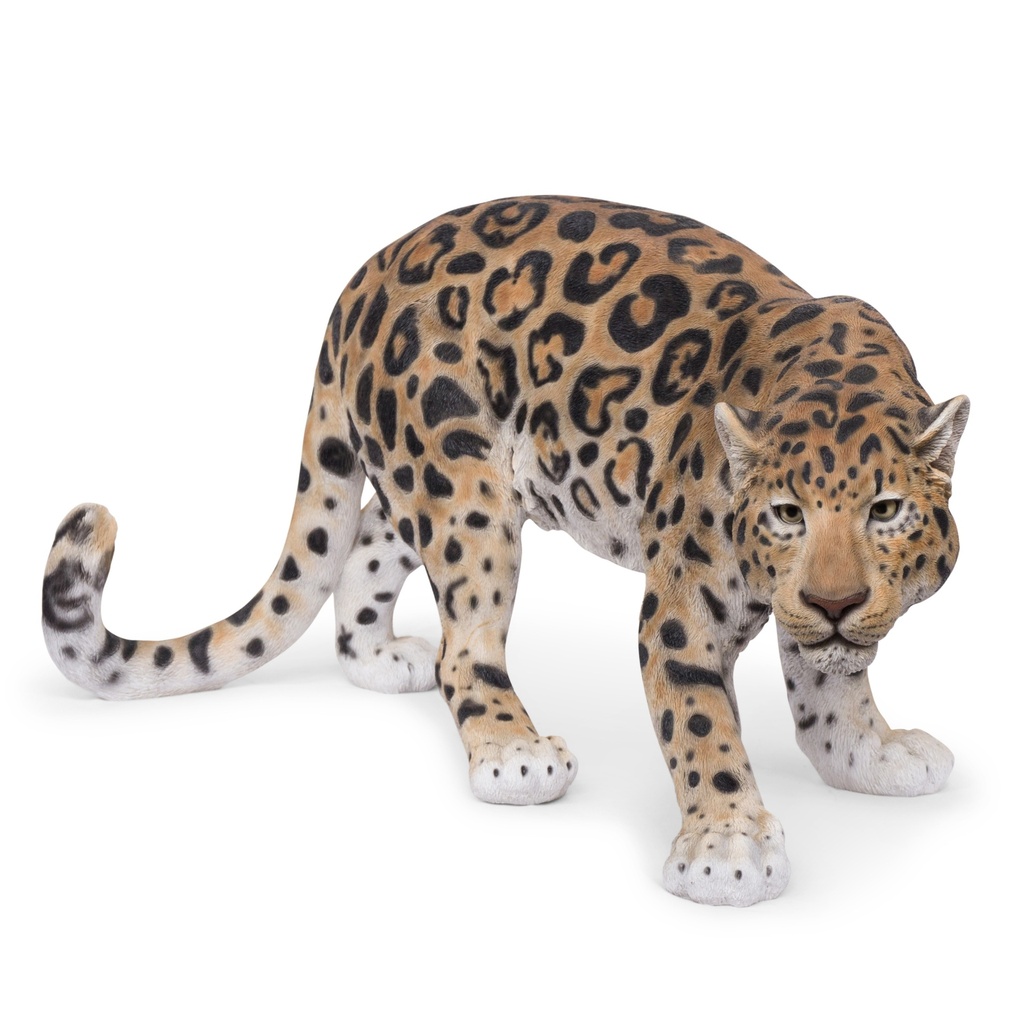
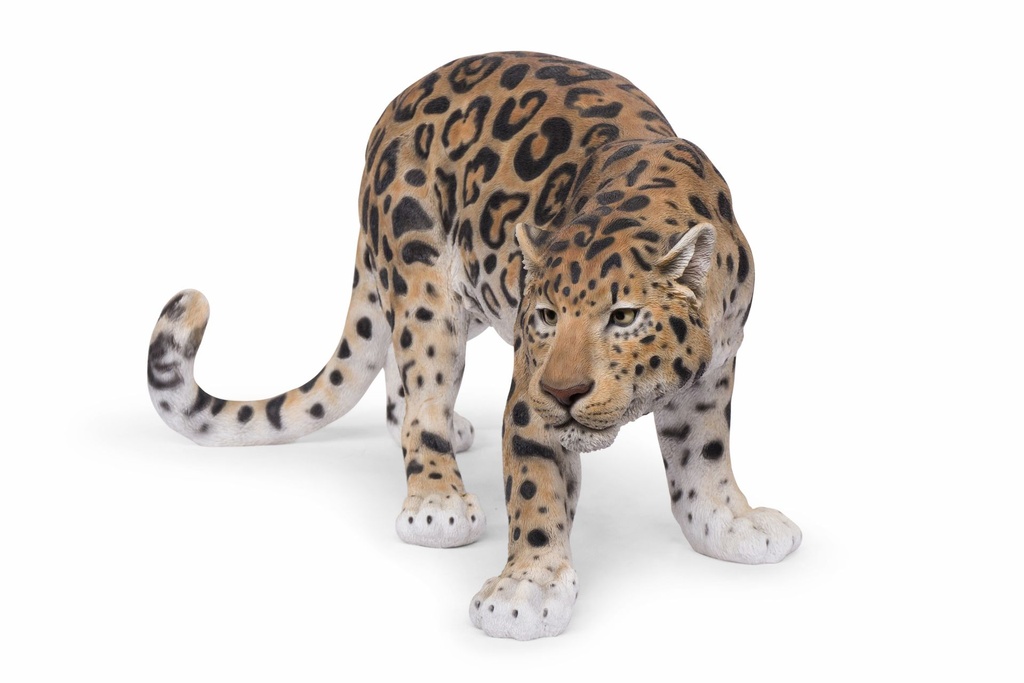
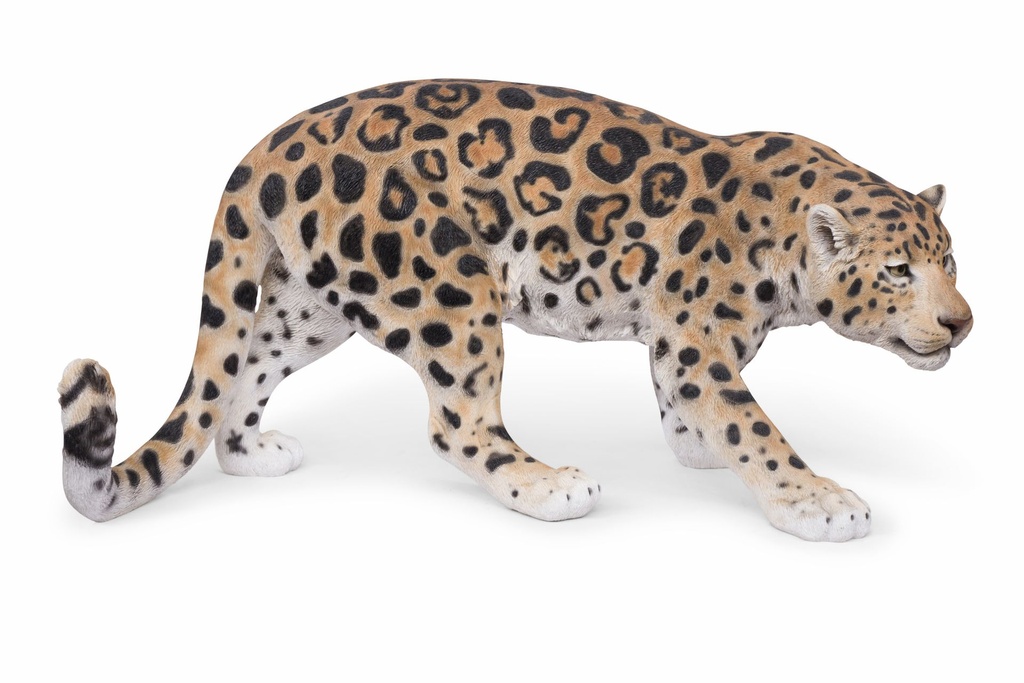
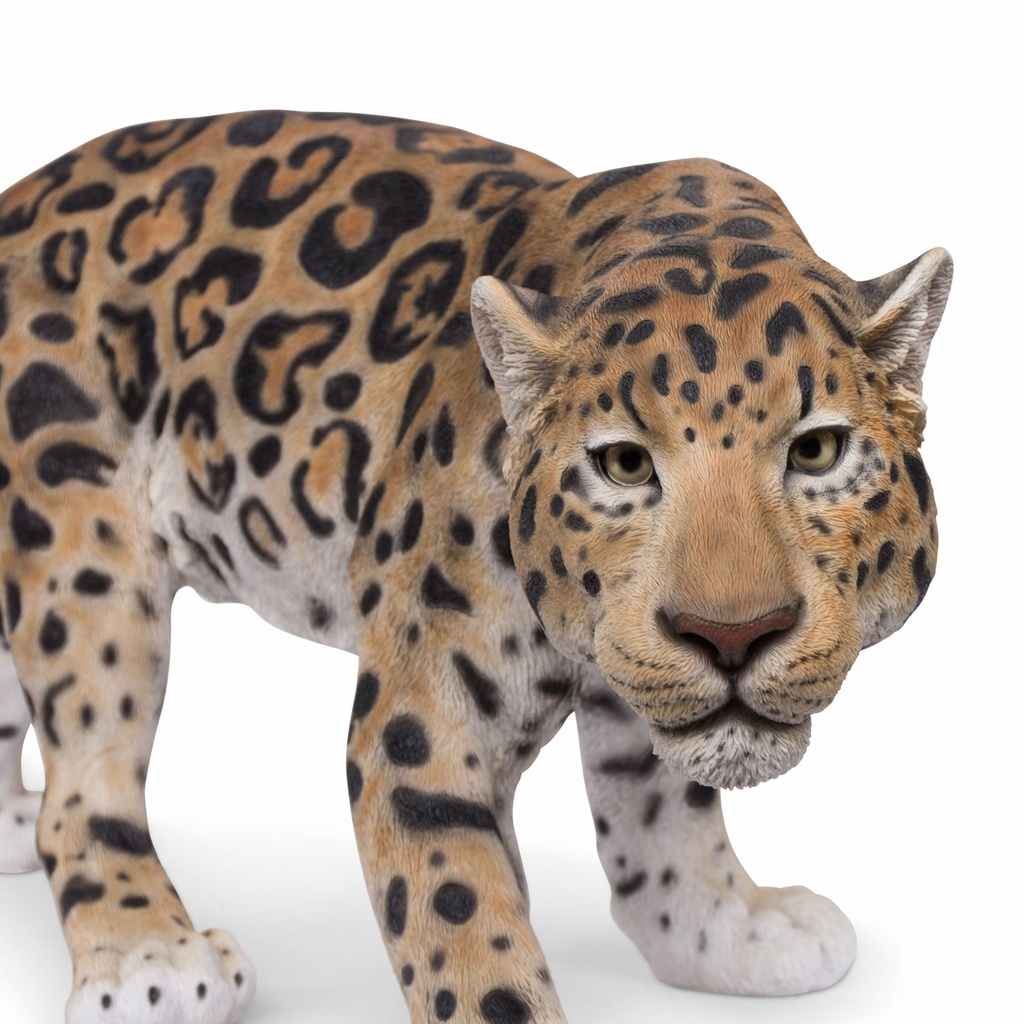
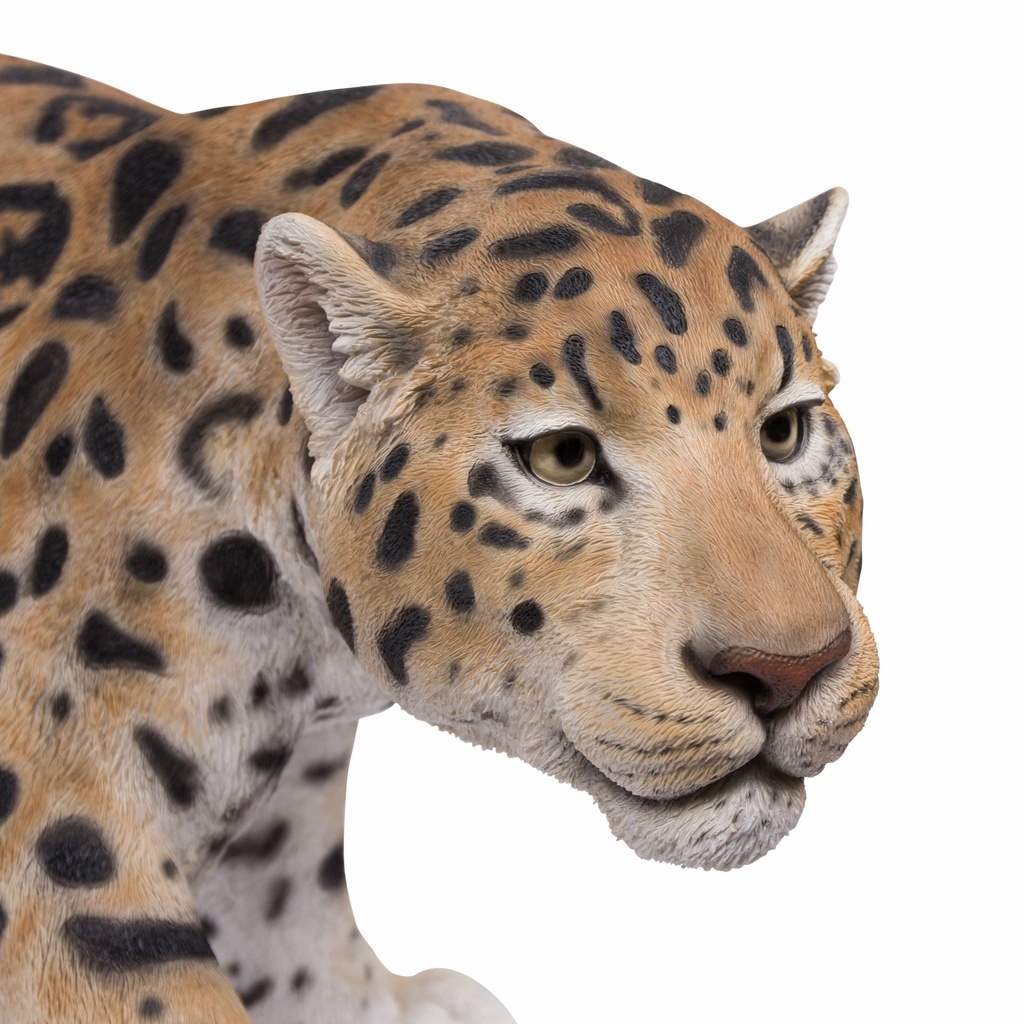
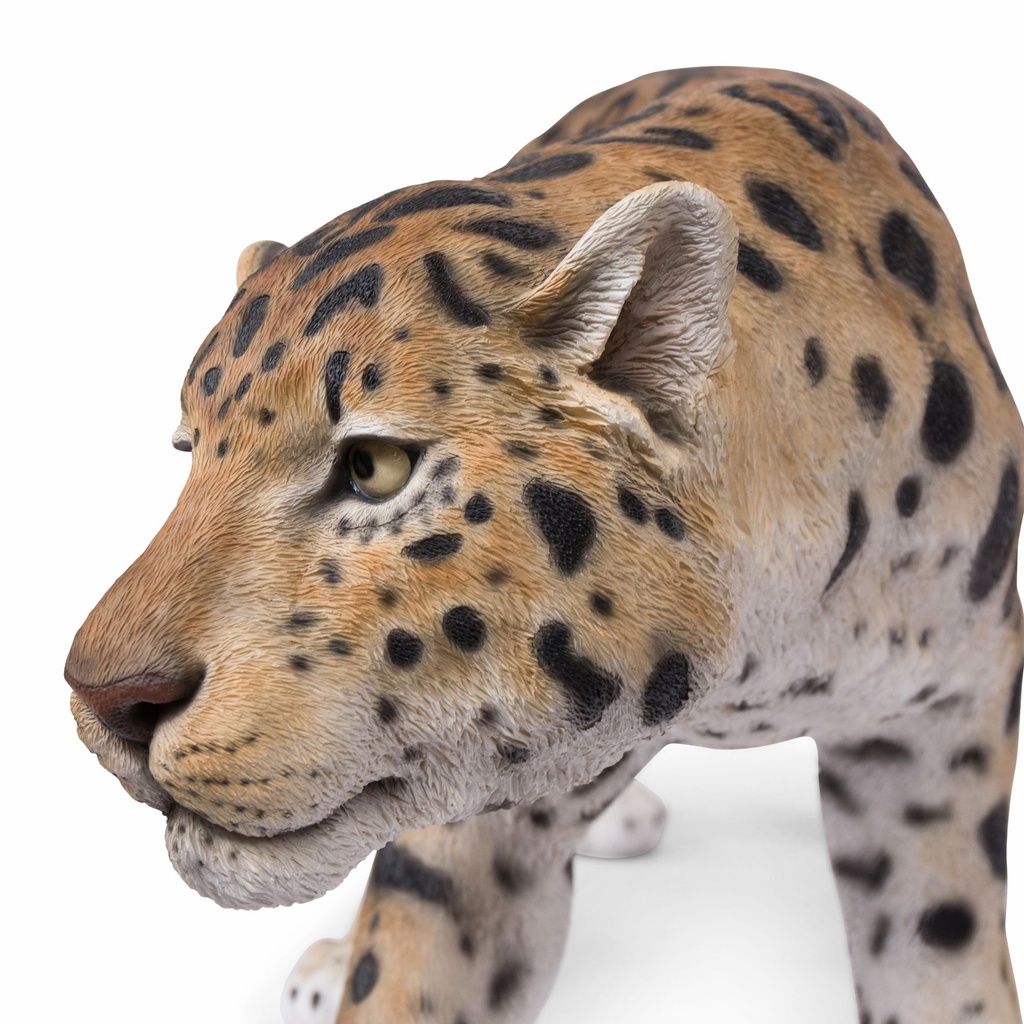
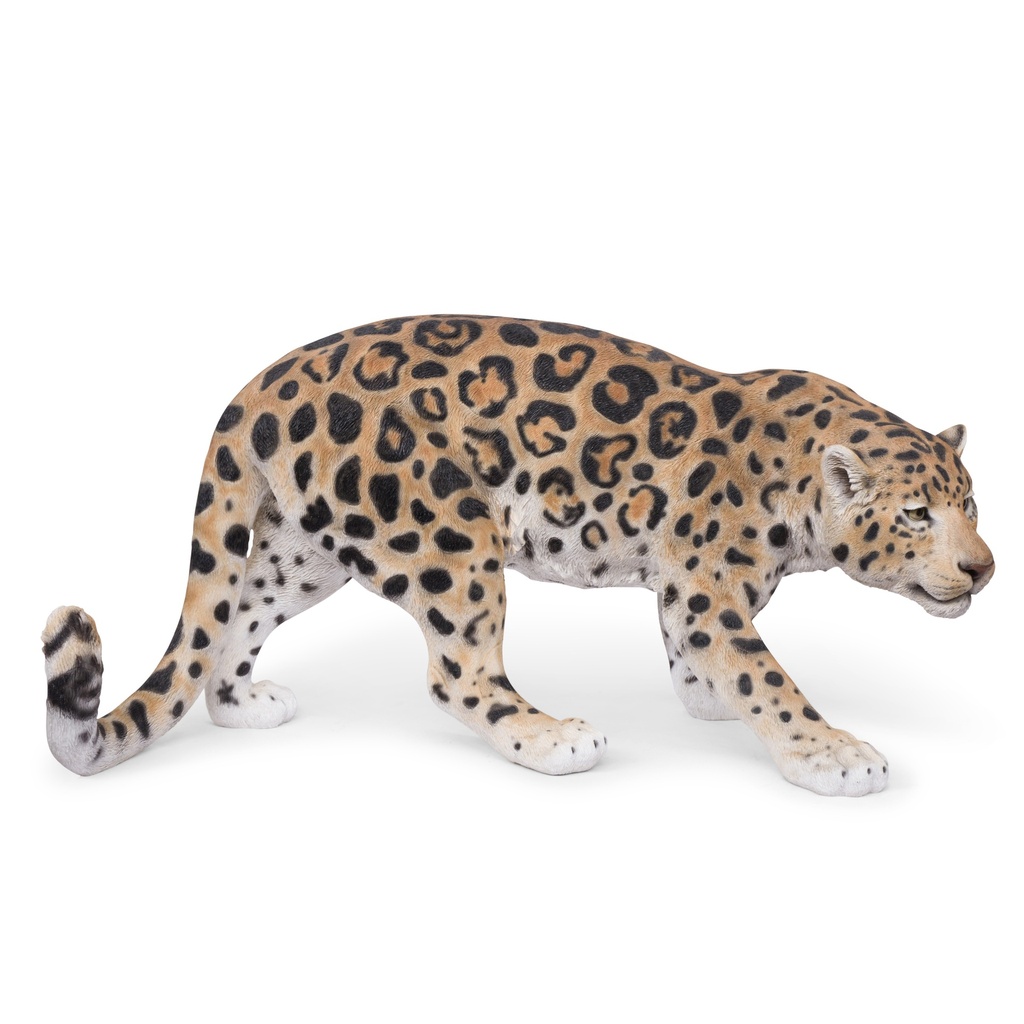
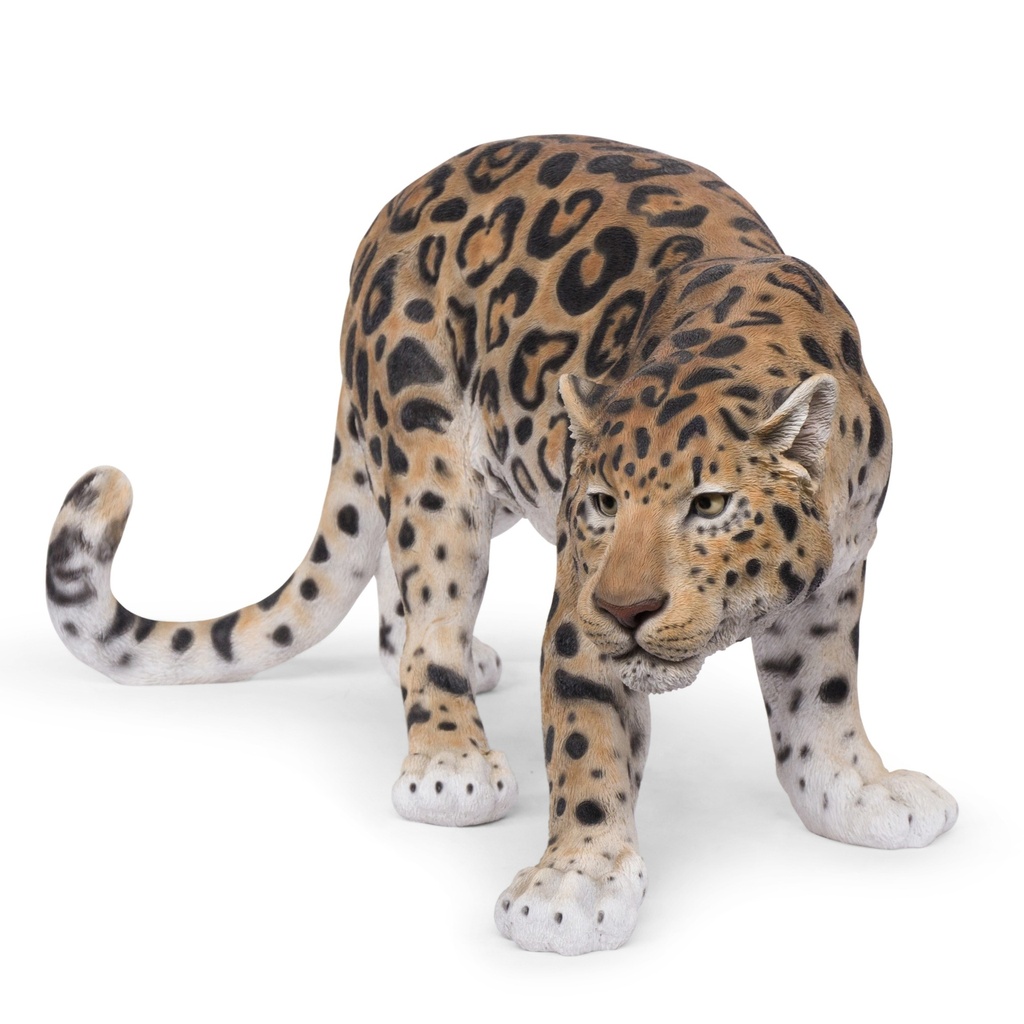
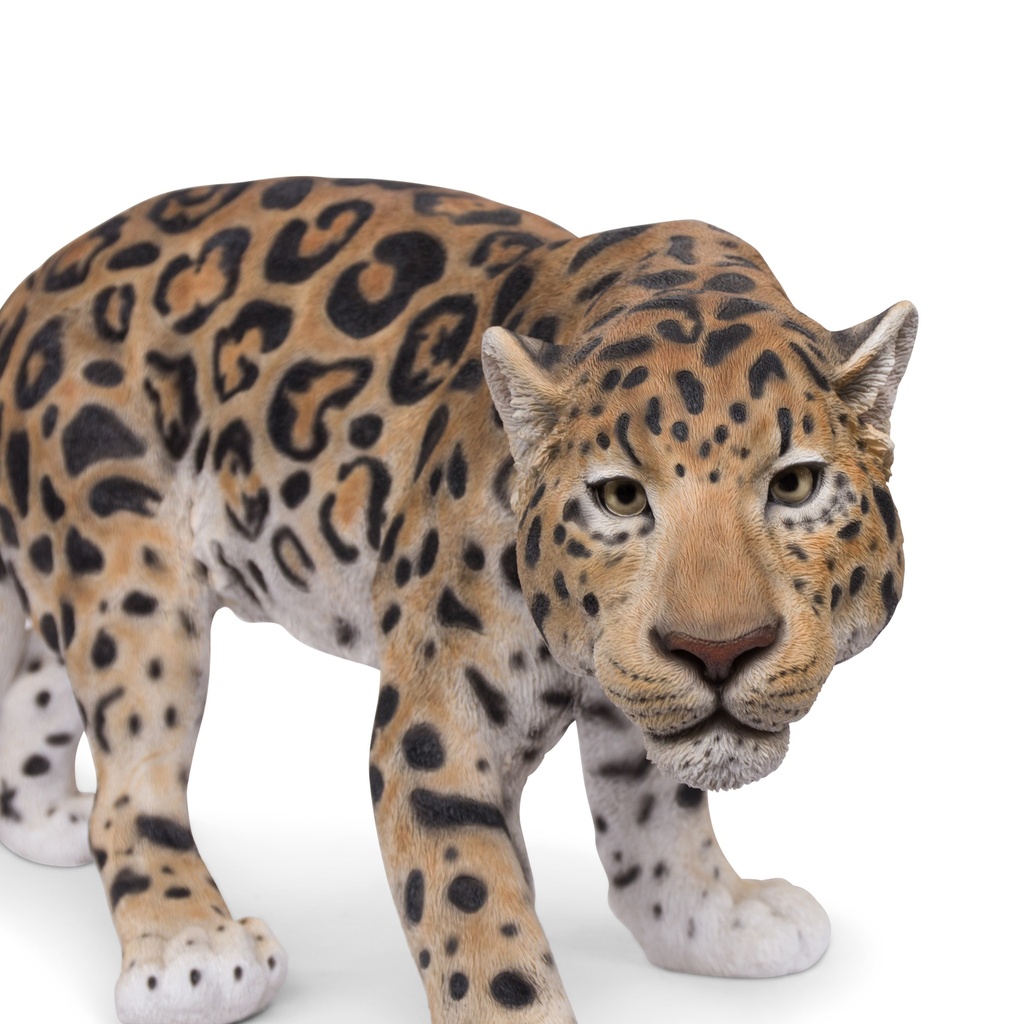
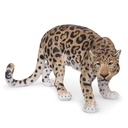
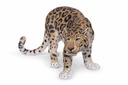
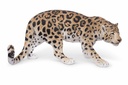
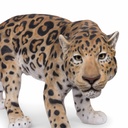
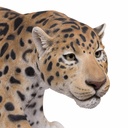
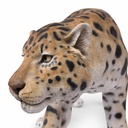
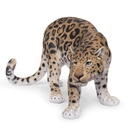
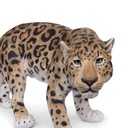
Two very distinct species despite their spotted coats. The leopard (Panthera pardus) has rosettes — tufts of black spots in a ring around a lighter center — a stockier and more muscular silhouette, shorter and more powerful legs, a wider head. The cheetah (Acinonyx jubatus) has solid black spots on a beige-gold background, a very slender silhouette on long legs, a small head, and the characteristic black "tear marks." At nearly identical weights, the leopard is wider and shorter, while the cheetah is longer and slimmer.
Q: Can this sculpture stay in the outdoor garden all year round?
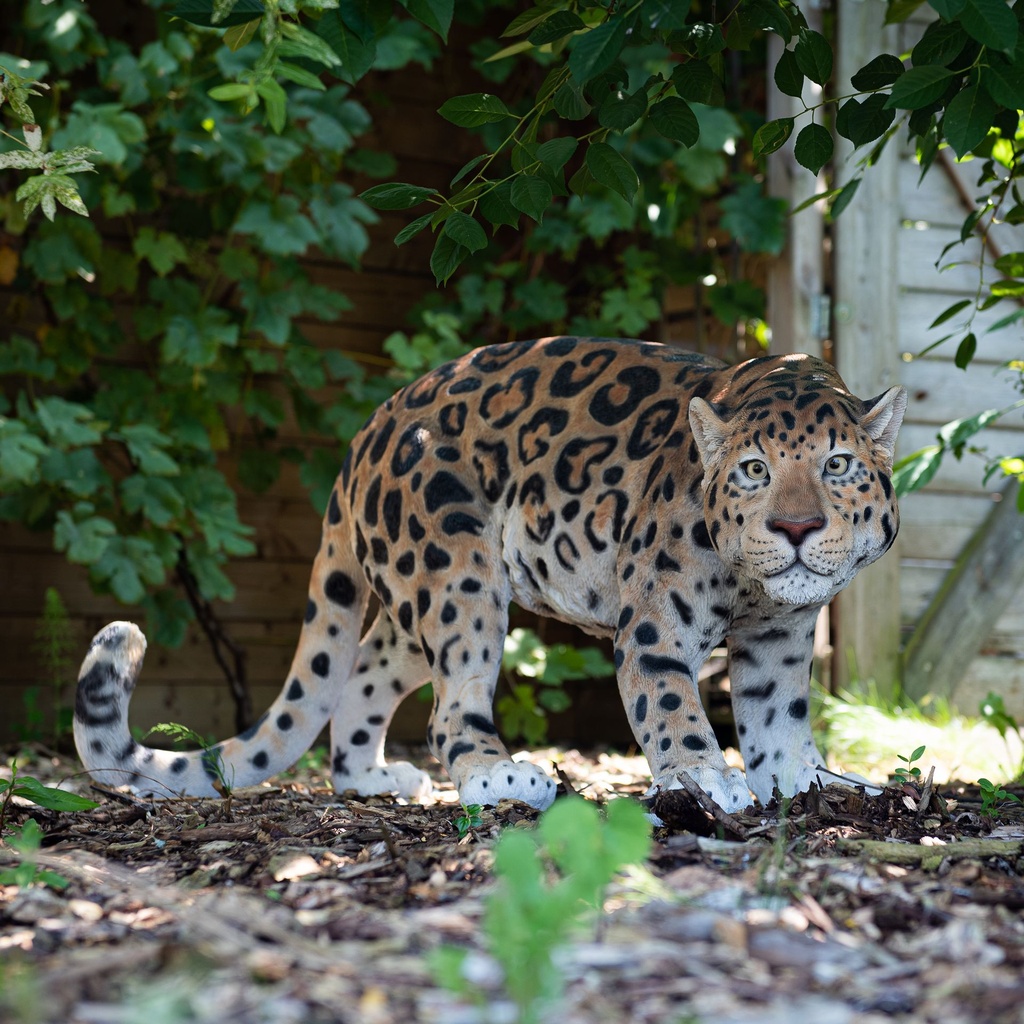
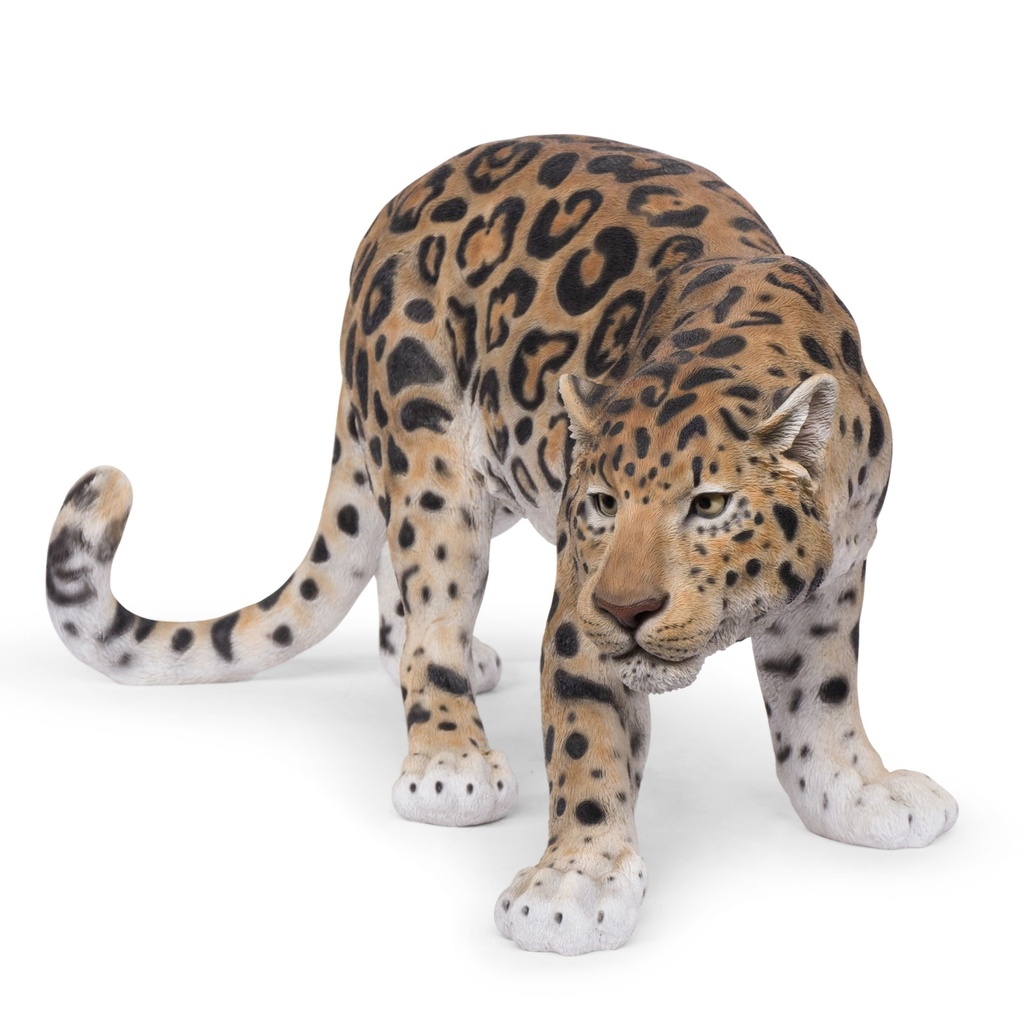
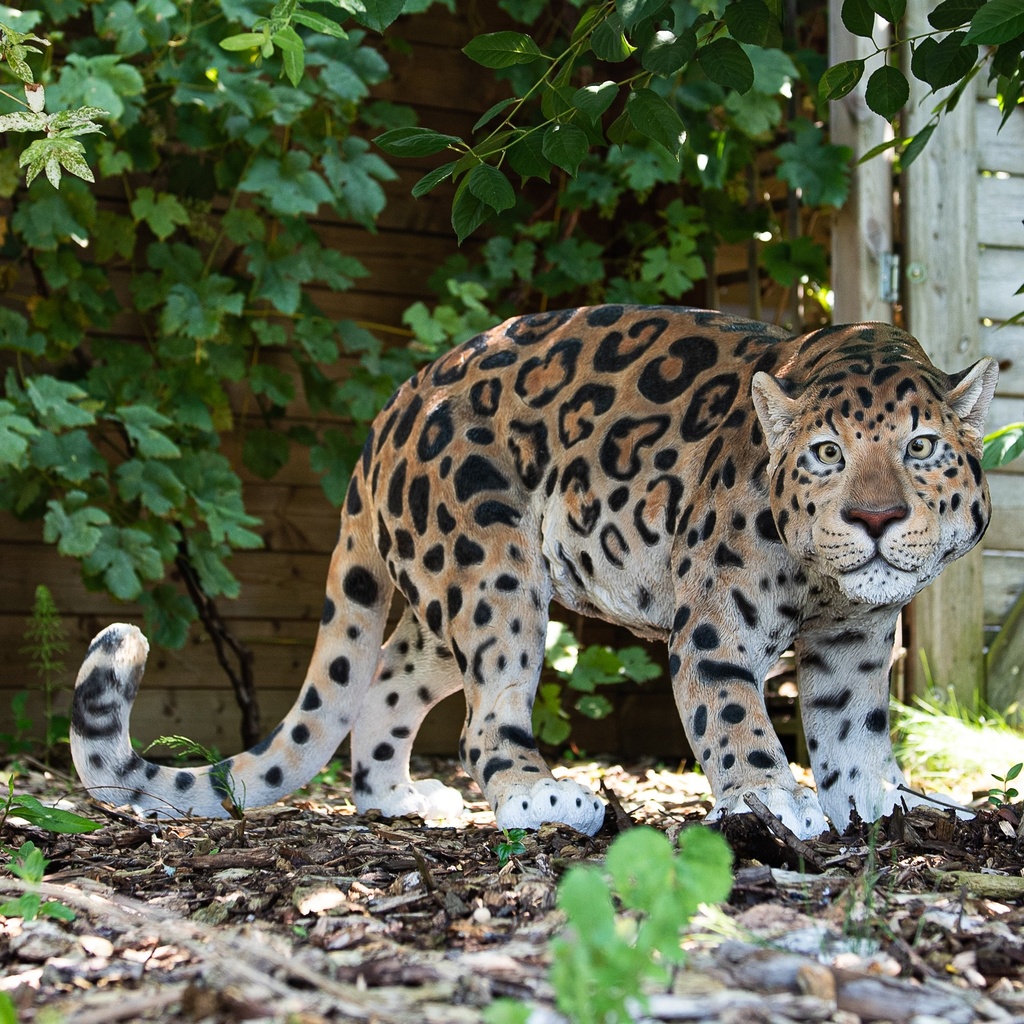
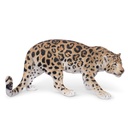
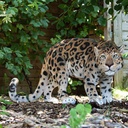
Yes — balcony & terrace and outdoor garden. The polyresin is tested down to -20 °C and the UV treatment protects the beige-ochre tones and the black of the rosettes. Its weight (11.5kg) and its large footprint (116x48cm) ensure excellent stability outdoors in all conditions. No anchoring necessary.
Q: What is the difference between the leopard and the black panther in the catalog?
They are the same species — the leopard and the black panther are both Panthera pardus. The black panther is a melanistic leopard (a genetic mutation that produces an excess of black pigment). The leopard sculpture represents the beige-ochre coat with standard rosettes; the black panther represents the melanistic variant with a black coat. Two aspects of the same species, two chromatic registers, and two very different atmospheres in the same space.
Q: Is the leopard a threatened species?
The leopard (Panthera pardus) is classified as "vulnerable" on the IUCN Red List, with populations declining in many regions of Africa and Asia. Nevertheless, it is the most geographically widespread big cat — its remarkable adaptability allows it to survive in a wide variety of habitats. Its presence in a decorative collection reminds us of the beauty of this extraordinary animal.
Q: Does the leopard fit into all styles of gardens?
Yes — and this is its great strength compared to the other big cats in the catalog. Its warm beige-ochre tones and natural rosettes are neither too bright (like the orange tiger) nor too dramatic (like the black panther) — they harmoniously integrate into all styles: natural garden, contemporary terrace, tropical space, Mediterranean garden. It is the most "versatile" stylistically of the entire range.